
Wild West Pioneers Settler Needs, Whims, and Why People Leave
Food, shelter, health, entertainment, and the Dust Creek happiness stack.
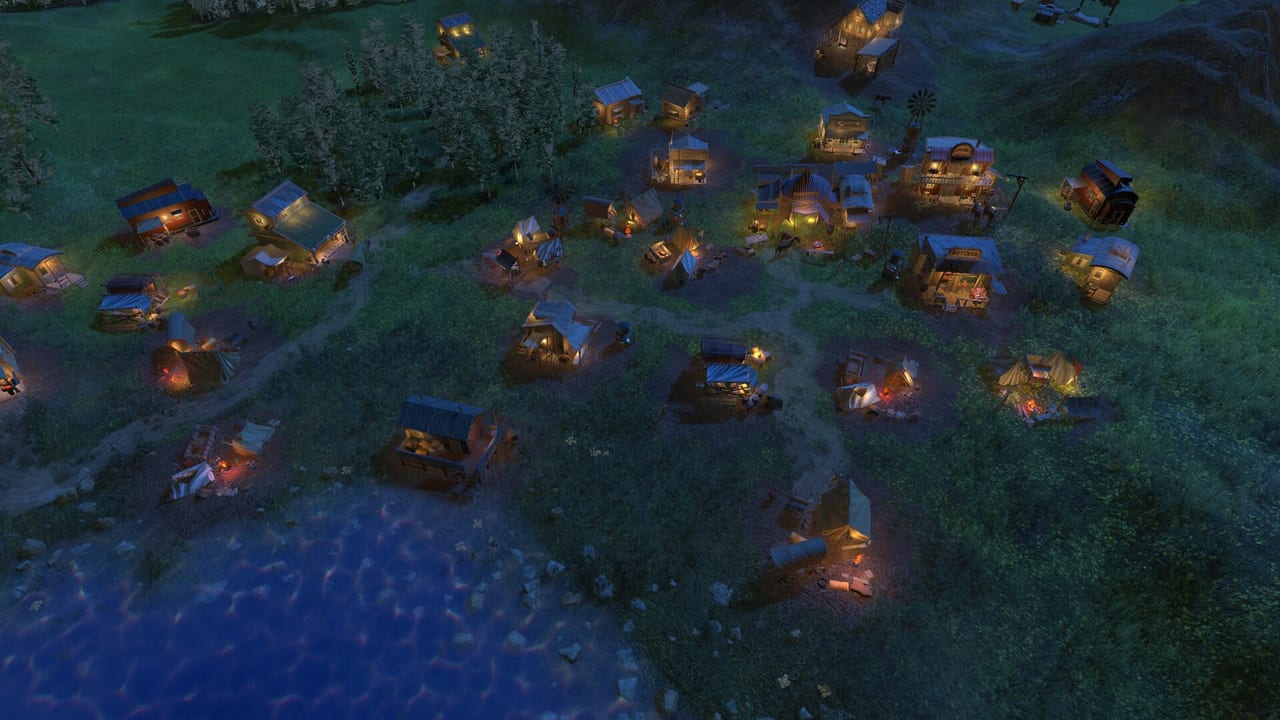
Wild West Pioneers simulates people, not just crates. A Town Hall can be perfectly placed and still empty out if rations, water, beds, and a little joy never arrive. This page is the happiness brief: core needs, later Whims, how roles get assigned, and why a saloon cannot rescue a dry well. Layout belongs on First Settlement. Logistics belong on production chains. The outbound door is expeditions.
EmpireCraft Studios is building fully simulated settlers for Early Access on 25 September 2026, with citizen roles you appoint as a town grows. The demo already shows the pressure: each pioneer eats on a daily cycle, housing wants the water overlay, and unhappy people pack up. Steam listed a playable demo in February 2026 around Next Fest; the open playtest runs 2–14 September 2026 from 08:00 UTC. Use those slices to watch one person leave for a boring reason, then fix that reason before you found a second creek.
Needs first: food, shelter, health, entertainment
Settlers have four core needs in the footage and tooltips: food, shelter, health, and entertainment. Food is a ration, not a warehouse full of raw meat. Hunters supply game; a food shop (and, in demo footage, a butcher) turns that game into something a household will accept. If the HUD shows meat and the street still complains, you built a hunt, not a kitchen. Rank the chain on the food tier list.
Shelter is a tent or house on water. The water overlay exists so you stop dropping beds on a dry ridge. A well covers drink; a water tank, unlocked on the Dusty Village rung, extends delivery. The housing tier list is the ranking page when you choose tents versus later wooden cabins. Yellow placement that deletes trees under a house is still a legal bed and a stupid wood policy.
Health is the quiet need. Keep people out of obviously broken loops: no water, long hauls, skipped nights that hide a missing well. Some later buildings stay locked in the demo (a hospital appears gated in playthroughs). Do not invent a clinic the tooltip has not granted. Entertainment is the saloon path: bourbon barrels travel to homes. Build it after rations exist. A barrel stack beside hungry tents is how a town performs a comedy and then empties.
Whims are toppings, not the meal
After needs stabilize, settlers ask for Whims. Demo examples include a cat, a fence, a saloon, a church, benches, pets, and instruments. These are personal wants. Fulfilling them raises mood. Ignoring them is allowed while the food shop is still coming online. Fulfilling a cat whim while the well is dry is how you lose the person who wanted the cat.
Whims are also a production hint. A saloon whim means the entertainment need is about to bite. A fence or bench whim means the street is livable enough to care about looks. A church whim is a later civic layer, not a day-one unlock. If several people want the same object, place one well and let it serve a cluster; do not scatter unique toys across a long radius.
Unhappy settlers may leave. That is not flavor text. The store page asks whether you want them packing their bags, and the demo will show you the answer. When someone walks, read their last need, not your gold count. Then move a building. The move control exists so you can drag a shop toward houses instead of writing a eulogy.
Work, roles, and who you can afford to send west
Pioneers staff warehouses, logger cabins, hunter cabins, shops, saloons, scout cabins, and construction jobs. A worker camp, unlocked on the Dusty Village rung, hires extra hands so buildings finish faster. Appointing roles such as mayor or sheriff is part of the announced Early Access scope; do not expect every civic title in the February Steam listing. For the demo, the role that matters is hauler versus hunter versus scout.
Expeditions borrow people. A scout trip that leaves the food shop understaffed is a mood attack dressed as adventure. A settler expedition that ships your last happy families to a desert pin is how you found two failing towns. Read expeditions before you click Explore. Keep a reserve crew on the warehouse inner ring.
Journey quests grant XP and also introduce named people. The missing-father search, gold-rush talk, and characters such as Margaret are story, but they still eat. Voice work in current builds uses real actors; the studio replaced earlier AI placeholder lines. Listen to a line, then check the food shop. The campaign is optional in pace. It is not optional in calories.
A practical happiness loop for Dust Creek
- Houses or tents on the water overlay, inside Town Hall radius.
- Well, then food shop, with hunters inside warehouse range.
- Sawmill so later housing can spend boards.
- Saloon so barrels reach homes after dinner exists.
- One or two Whims that several people share (fence, benches, cat) instead of a zoo.
- Only then a scout cabin, and only then a settler base.
Skip the night to watch this loop, not to hide it. If morning icons are worse, you skipped a shortage. Day cycle is when shops serve rations and haulers finish barrels. The skip button is a microscope.
English has full audio; other Steam languages cover interface and subtitles. This wiki’s settler pages will follow the same four locales as the rest of the site. For camera keys while you inspect a house panel, use Getting Started and controls. For what Early Access still withholds on civic buildings, use Early Access notes.
The missing-father thread can wait until the food shop has a queue. Voice-acted stories and Journey XP are how the west gets color; they are not a second resource HUD. If a settler wants a cat, a church, or a fiddle, write it down, finish the well, and only then play shopkeeper. Dust Creek stays populated when needs are boring and Whims are rare, not when every porch has a pet and nobody has a ration.
Frequently Asked Questions
Quick answers for settlers heading west.
What needs do settlers have in the demo?
Food, shelter, health, and entertainment. Food is a daily ration from a food shop, not raw meat in storage. Shelter wants the water overlay. Entertainment leans on the saloon once dinner exists.
What are Whims?
Personal wants that appear after core needs. Demo examples include a cat, a fence, a saloon, a church, benches, pets, and instruments. Fulfill shared Whims; do not chase a zoo while the well is dry.
Why do settlers leave?
Unmet needs. An empty food shop, dry housing, or a long warehouse walk will empty a street faster than a missed gold chest. Move buildings and staff shops before you send a scout trip.
Does the story campaign affect happiness?
Story quests grant XP and send named people on errands, but they still eat. The missing-father search is optional in pace. Keep rations flowing while you chase it; see expeditions for outbound trips.
Should I build a saloon or a food shop first?
Food shop first. Bourbon barrels are entertainment, not dinner. Rank both on the food tier list and the housing tier list if you are choosing between beds and barrels.