
Wild West Pioneers Found Your First Settlement
Water, wildlife, Town Hall radius, and the Dust Creek opening chain.
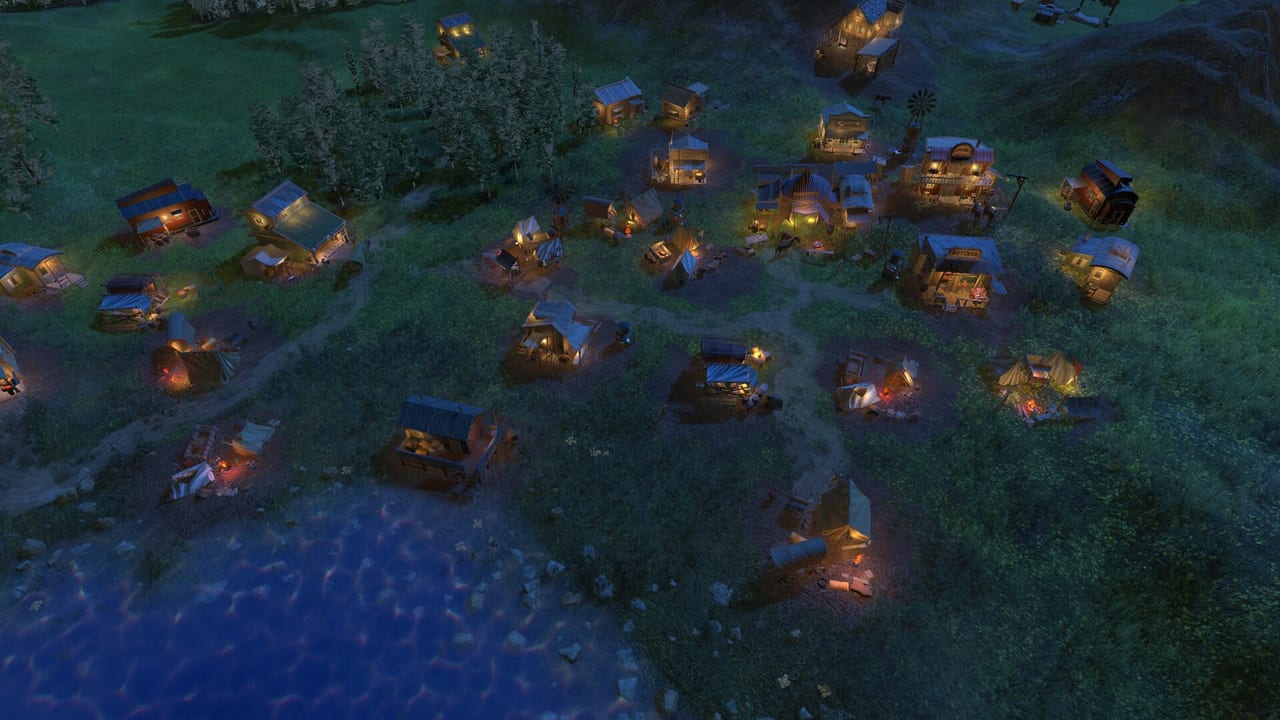
The first settlement is a logistics puzzle disguised as a postcard. Wild West Pioneers will not let you paint a grid of streets until a Town Hall exists, and that hall only blesses buildings inside its radius. Your job is to park that heart where water, trees, and wildlife overlap without forcing haulers into a marathon. If you still need camera and overlay basics, read Getting Started first. If you want one linear demo sitting, use the demo walkthrough.
EmpireCraft Studios framed the opening as a frontier camp that can grow into Dust Creek, a named town you will see again on the world map. Caravan tickets in footage point at Dust Creek as a destination, so treat the name as a hub label, not a unique snowflake. Early Access is scheduled for 25 September 2026 on Steam, GOG, and the Epic Games Store. The demo and the 2–14 September 2026 08:00 UTC playtest are the places to practice this layout before that date.
Survey the ground before the Town Hall
Turn on the water overlay. Tents and several service buildings need access to water; a pretty ridge with no drink is a trap. Turn on the wildlife overlay. A hunter cabin that cannot see animals is a shed. Walk the camera with Q and E until you find a river bend or creek shelf where both overlays light up inside a short walk of standing timber.
Placement colors do the rest. Blue is a legal footprint. Yellow means the building will eat resources under it (trees, game, or both). Red is invalid: slope, overlap, or outside the hall radius. Confirm blue on the Town Hall first. You can move later buildings; moving the hall because you ignored water is a worse tax.
The Town Hall is the construction ceiling. Other buildings must sit inside its radius. Footage also shows that radius improving as the settlement grows, so a tight first placement still has room to breathe. Do not stretch to the red ring on minute one. Leave a pocket for a warehouse, two cabins, and a row of tents.
Warehouse, then gatherers, then beds
Build a warehouse next. Warehouses store goods and assign haulers to each connected building. Marked zones around the warehouse tell you the walking tax: the closer a cabin sits, the fewer workers you need to empty it. Gathering wood without a warehouse is, in the tutorial’s own words, pointless. Put storage between the trees you intend to cut and the plots you intend to live on.
A logger cabin wants trees and a short warehouse walk. A hunter cabin wants the wildlife overlay and the same short walk. If those two cabins sit on opposite sides of the map, you have already lost more pioneers to hiking than to hunger. Production chains unpacks hauler math; this page only insists you place the triangle of hall, warehouse, and cabins before you decorate.
Houses and tents come after the gatherers can actually deliver. Drop them on water. A well extends drinking water; a water tank, unlocked later on the Dusty Village rung, pushes that reach farther. A food shop turns hunter output into rations people will actually eat. Demo footage also shows a butcher on the meat path; do not skip the shop even if a butcher is already smoking. Each pioneer needs a ration on a daily cycle. Empty shops make people leave, which is the whole plot of settlers.
Unlock order the demo actually shows
Journey quests grant XP. The talent tree visible in the demo climbs Trail Camp, then Dusty Village, then Pioneer Settlement. Along that climb you unlock scouts, a water tank, a worker camp, a settler base, a sawmill, a well, and a food shop. A worker camp hires extra hands so construction jobs finish faster; place it when you are tired of watching three people raise a wall.
A sawmill belongs near the warehouse once logs overflow. Boards (planks) are what later housing and industry spend. A saloon belongs after you can feed people; bourbon barrels in the HUD are a happiness product that travels to homes, not a trophy count. Rank those buildings against the housing tier list and the full building list when you are choosing between a second tent row and a shop.
Roads help, but they are not a substitute for radius. Connect the warehouse to cabins so haulers stop cutting across empty lots. If a building is too far, use the move control on its panel. The game expects you to nudge the layout; it does not expect you to live with a yellow hunter cabin forever.
Dust Creek, story, and when to look outward
Dust Creek is the example settlement name in footage and quest text (some lines say Dusk Creek in passing; the map label you want is Dust Creek). Story beats send you after a father who never returned west, gold-rush rumors, and named settlers such as Margaret. Voice lines in current builds use real actors. You can chase those quests or keep a relaxed pace; the main story is not a forced timer on the first town.
Do not found a second settlement until a scout cabin exists and a settler base can launch a settler expedition. Expeditions covers that handoff. Until then, skip the night only to watch a full production day: logs in, meat in, rations out, barrels to houses. If the morning HUD is worse, the site is wrong or the warehouse is too far.
The creek on the map is a classroom, not a monument. When a caravan label later reads EXIT POST SOUTH CARAVAN toward Dust Creek, that is the game telling you this first town became a node. Build it like a node: water, wildlife, short hauls, then beds. For ranked food and industry after the tents stand, jump to the food tier list and keep the first street boring on purpose.
Frequently Asked Questions
Quick answers for settlers heading west.
Why must the first town sit near water?
The water overlay marks where tents and other thirsty buildings can legally drink. A Town Hall on a dry ridge looks dramatic and then blocks housing. Survey water and wildlife before you confirm the hall.
Why build a warehouse before logger and hunter cabins?
Cabins produce into storage. Without a warehouse, haulers have nowhere short to walk and the tutorial treats gathering as wasted labor. Place storage between trees, game, and future houses.
What does yellow placement mean on the first site?
Yellow is legal but punitive: you will lose resources under the footprint. Blue is the color you want for the Town Hall. Red is invalid. Move a cabin later if you have to; do not yellow-stamp the hall.
Is Dust Creek a required town name?
Dust Creek is the example settlement in demo footage and caravan labels. Treat it as the hub you will see on the world map, not as the only name the game allows.
When should I add a well and a food shop?
After tents or houses exist on the water overlay and hunters are actually delivering meat. A well covers drink. A food shop covers daily rations. Details on why people leave sit in settlers.
Can I start a second town from the first settlement?
Not until you unlock a scout cabin and a settler base. Scouts mark a site; settler expeditions plant the next Town Hall. See expeditions for that sequence.